
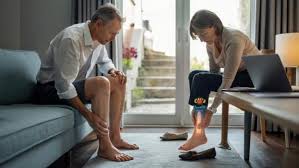
Article Title: Why Long Hours of Sitting May Affect Leg Circulation Over Time
Modern work often involves spending long hours at a desk, in meetings, or in front of a computer. While this routine may seem harmless at first, extended sitting can influence circulation in ways that are easy to overlook. Veins play an important role in helping blood return from the legs back toward the heart, and regular movement supports this process. When a person remains seated for much of the day, circulation in the lower body may become less efficient, which can contribute to discomfort over time.
One reason movement matters is that the muscles in the legs help support blood flow. Walking, standing, and changing position activate the muscles that assist the veins in moving blood upward. When these muscles are less active for many hours, blood may move more slowly through the veins of the legs. This does not automatically lead to a medical problem, but it can create conditions that make the legs feel heavier, more tired, or less comfortable by the end of the day.
Desk-based work can also encourage long periods in the same posture. Some people sit with bent knees for hours, cross their legs often, or remain in one position without noticing how little they move. Over time, this lack of movement may place extra pressure on circulation in the lower limbs. The effect may be even more noticeable in people who rarely stand up between tasks or who spend additional free time sitting after work.
Another factor is that sedentary work often becomes part of a broader lifestyle pattern. A person may commute by car, work while seated, eat lunch at the desk, and then relax in the evening on the couch. When most of the day involves limited movement, the veins receive fewer natural opportunities to benefit from muscle activity. Even if no clear symptoms appear right away, reduced movement may still influence overall leg comfort and circulation over time.
It is also useful to remember that individual experiences can vary. Some people notice leg fatigue quickly during periods of inactivity, while others may not feel much discomfort until the pattern continues for months or years. Other factors such as age, body weight, pregnancy history, family background, and daily activity levels may also affect how the veins respond to prolonged sitting.
The workplace environment itself can contribute as well. Tight schedules, long calls, and pressure to remain at the computer may reduce the number of movement breaks a person takes during the day. In some jobs, people feel they should stay seated to remain productive, even though short breaks for standing and walking may actually support better physical comfort and concentration.
A helpful way to think about circulation is that the body usually responds well to regular, moderate movement. Vein health is not supported by stillness alone. Small actions such as standing up every hour, walking briefly between tasks, or stretching the legs can help interrupt long sitting periods. These habits may appear minor, but repeated throughout the day, they can make a meaningful difference in how the legs feel.
Hydration, posture, and seating position may also influence daily comfort. While these factors do not replace movement, they can shape how the body responds to desk-based work. Sitting with better alignment, avoiding staying in one position for too long, and adjusting the workspace to encourage natural movement may all help support healthier routines.
For people who already notice heaviness, swelling, or tired legs after long workdays, it may be useful to pay closer attention to how much time is spent sitting without interruption. Tracking these patterns can help identify whether discomfort becomes worse on especially inactive days.
Long hours at a desk do not guarantee vein problems, but they can affect circulation in ways that deserve attention. Understanding this connection can help people build healthier work habits and recognize the value of movement as part of long-term leg and vein health.