
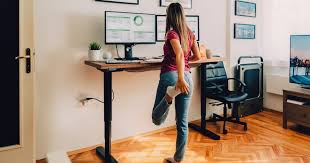
Simple Workplace Routines That May Support Better Vein Comfort
For people with desk-based jobs, prevention often begins with small habits repeated consistently throughout the day. While many office workers cannot avoid sitting altogether, they can often reduce the effects of prolonged inactivity by building more movement into their routine. Everyday choices related to posture, breaks, stretching, and general circulation support may make a noticeable difference in long-term comfort.
One of the simplest habits is taking regular movement breaks. A person does not necessarily need a long workout in the middle of the workday to support circulation. Standing up every so often, walking to another room, using stairs, or taking a short lap around the office may help interrupt long sitting periods. The goal is not perfection, but reducing the amount of uninterrupted time spent in one position.
Posture can also play an important role. Sitting with both feet supported, avoiding awkward leg positions, and adjusting the chair so the lower body is not compressed for hours at a time may help improve comfort. Some people cross their legs out of habit or sit in a way that limits movement for long stretches. Becoming more aware of these patterns can be a useful step.
Stretching may also support a more comfortable workday. Gentle calf movement, ankle circles, standing stretches, and brief leg activation during breaks can encourage more frequent muscle use. Since leg muscles help support circulation, keeping them active throughout the day may be beneficial, especially for people who sit during most working hours.
The design of the workspace may matter more than many people expect. A desk setup that encourages occasional standing, walking to retrieve items, or shifting positions during the day may be more supportive than one that keeps everything within easy reach for hours. Even small adjustments, such as placing certain items farther away or standing during phone calls, can help increase movement.
Hydration is another practical factor. Drinking enough water during the day may support overall well-being and can also encourage more frequent standing and walking simply because a person naturally gets up more often. While hydration alone is not a complete solution, it may be part of a healthier daily rhythm.
Footwear can also influence comfort, especially for people who alternate between sitting and standing throughout the day. Supportive shoes may help reduce strain during walking breaks or standing tasks. In contrast, footwear that feels restrictive or uncomfortable may make it less appealing to move regularly during the day.
Outside of work, general activity levels also matter. A person who sits at a desk all day and remains inactive in the evening may feel the effects of sedentary habits more strongly than someone who walks, stretches, or stays active after work. Daily prevention is often most effective when it is viewed as part of the whole day rather than only office hours.
Some people find it useful to set reminders to move. During busy workdays, it is easy to lose track of time and remain seated far longer than intended. A timer, app, or simple routine linked to tasks such as meetings or emails may help create more regular movement without disrupting productivity.
It is also important to keep prevention realistic. A routine that is easy to repeat is usually more useful than one that is too ambitious to maintain. Small steps such as standing more often, stretching briefly, and walking during breaks may seem minor, but over time they can support healthier patterns.
Work habits shape how the body feels more than many people realize. For those concerned about circulation and vein comfort, prevention often starts not with dramatic changes, but with steady improvements in movement, posture, and daily routine. These habits may help support better comfort and reduce some of the strain associated with long desk-based work.